The available documentation describes the capabilities, pricing, and access policies of Amazon Nova 2 Lite and Claude Fable 5.1, but it does not provide an independent test using a shared corpus. This guide defines a protocol for comparing them in structured document extraction and explains which decisions can be made, which asymmetries must be disclosed, and when neither model should automate the workflow without human review.
Long context windows expand the amount of information a model can receive, but they do not guarantee that it will find, interpret, and use the relevant evidence correctly. This analysis separates the nominal input limit from reliable retrieval, reasoning, and operational cost.
Amazon Nova 2 Lite expands the technical contract available in Amazon Bedrock with a context window of up to one million tokens, a declared maximum output of 64,000 tokens, and configurable extended thinking. Those capabilities do not make a migration from Nova 1 an identifier-only change: they require renewed validation of APIs, limits, tools, timeouts, inference routes, and data controls.
Benchmark contamination can weaken the interpretation of a score, but finding an overlap does not by itself prove that a model memorized an answer or that the exposure explains the result. This guide offers a critical reading of the available evidence, separates exposure mechanisms from causal effects, and provides criteria for deciding how much weight to give a public result.
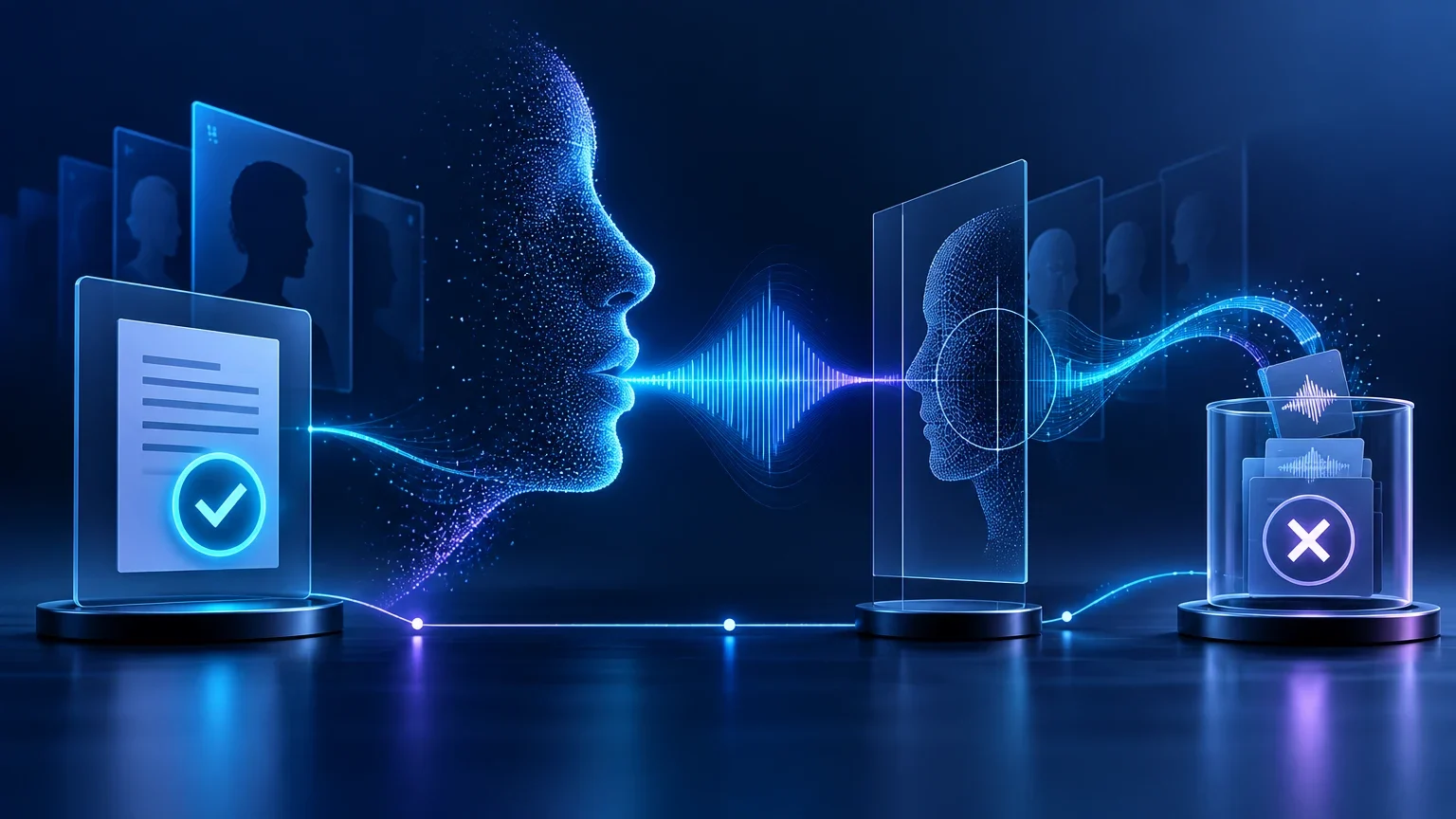
Using a synthetic voice responsibly requires more than a checkbox or a convincing demo. This guide proposes an operating system for linking each audio asset to a specific authorization, controlling the risk of resemblance to identifiable people, disclosing its nature where appropriate, and removing assets when the terms of use change.
The useful comparison between Claude Opus 4.5 and Claude Sonnet 4.5 is not a general verdict on capability. It is an operational decision: which one lowers the total cost per correctly resolved, reviewed, and accepted issue in a specific repository. This guide proposes a reproducible protocol for measuring that outcome with frozen tickets, tests, blind human review, and complete costs.
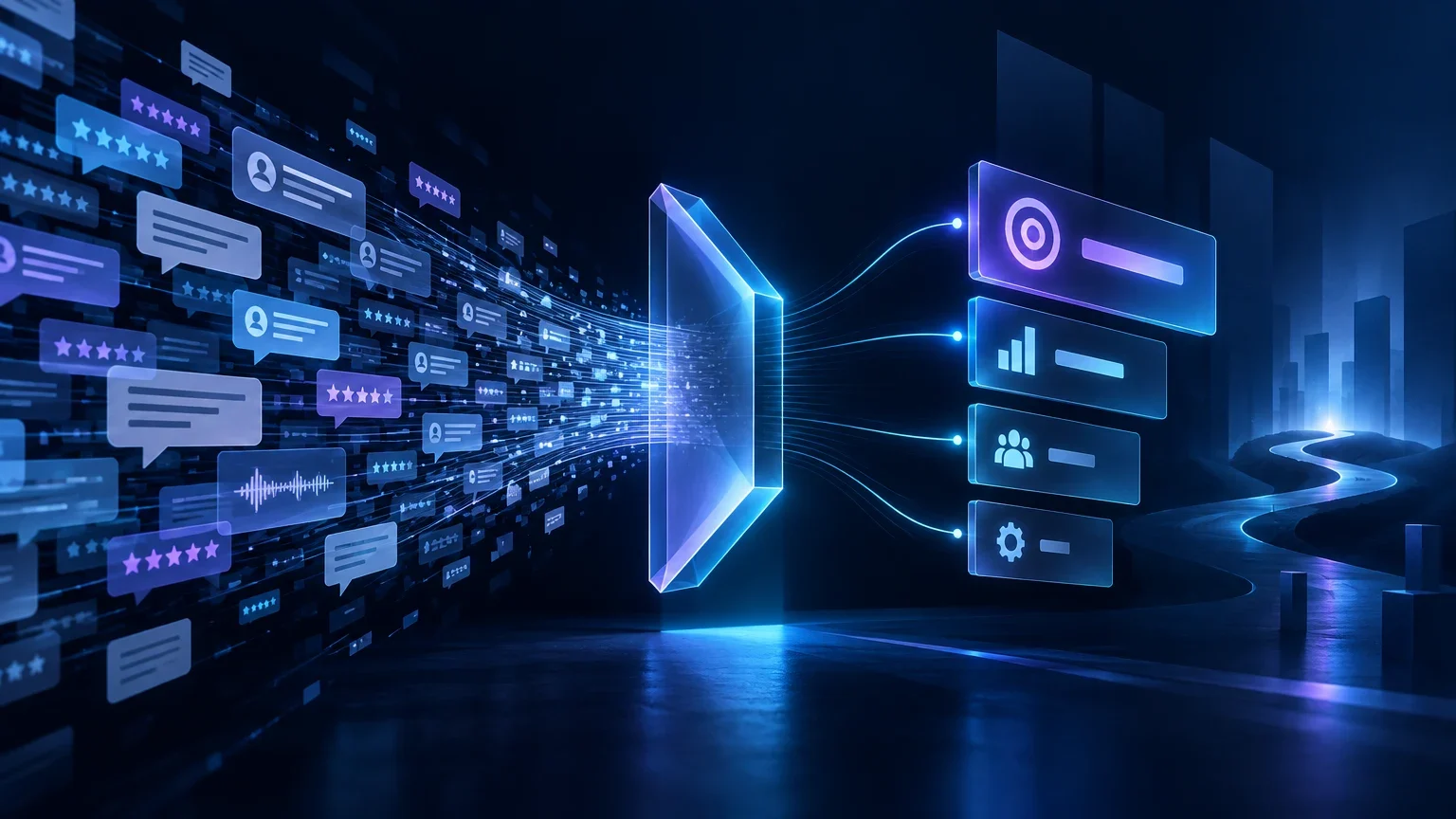
A path for product, support, and research teams that need to analyze reviews, tickets, surveys, or transcripts with AI without turning an automated summary into an unsupported decision.
The choice between Claude Haiku 4.5 and Claude Opus 5 should not be settled solely by per-token pricing or unrelated benchmarks. This comparison proposes a reproducible protocol for measuring accepted outputs, retries, human review, latency, and effective cost in structured classification, document synthesis, and complex technical review. The available sources can establish comparable conditions and technical constraints, but they cannot support empirical results without running and publishing the experiment.
Qwen is not a single product or a single access regime. The decision depends on the artifact and version: some Qwen3 weights are published for self-hosted execution, while the hosted Model Studio catalog includes models, modes, and operational limits that must be checked by region and date. This guide separates licensing, technical control, lifecycle, and stated commitments on data and security.
An operational guide to documenting an organisation’s role, classifying an AI use case, separating application dates, and collecting evidence. It does not replace legal analysis or applicable sector-specific rules.
Adopting Claude is not simply a matter of selecting a model family. The access channel determines which identifier is used, which retirement schedule governs it, which controls each party administers, and which documentation can support a technical decision. This guide offers a method for separating those layers without turning public policies or safety evaluations into guarantees they do not contain.
C2PA credentials can provide cryptographically verifiable evidence about provenance statements and transformations of a file. On their own, they do not prove that an image is true, may be legally reused, or depicts people who gave their consent. This guide sets out a method for assessing, preserving, and communicating that evidence without overstating its conclusions.