Several outlets attribute security problems in GPT‑6.1 Astra to internal tests. However, the available information includes no public test results or direct confirmation from OpenAI, and the cited official pages refer to GPT‑6 Astra.
Finding overlap between training and test data does not prove that it raised a score. A guide to distinguishing types of contamination, detection methods, and the limits of the evidence.
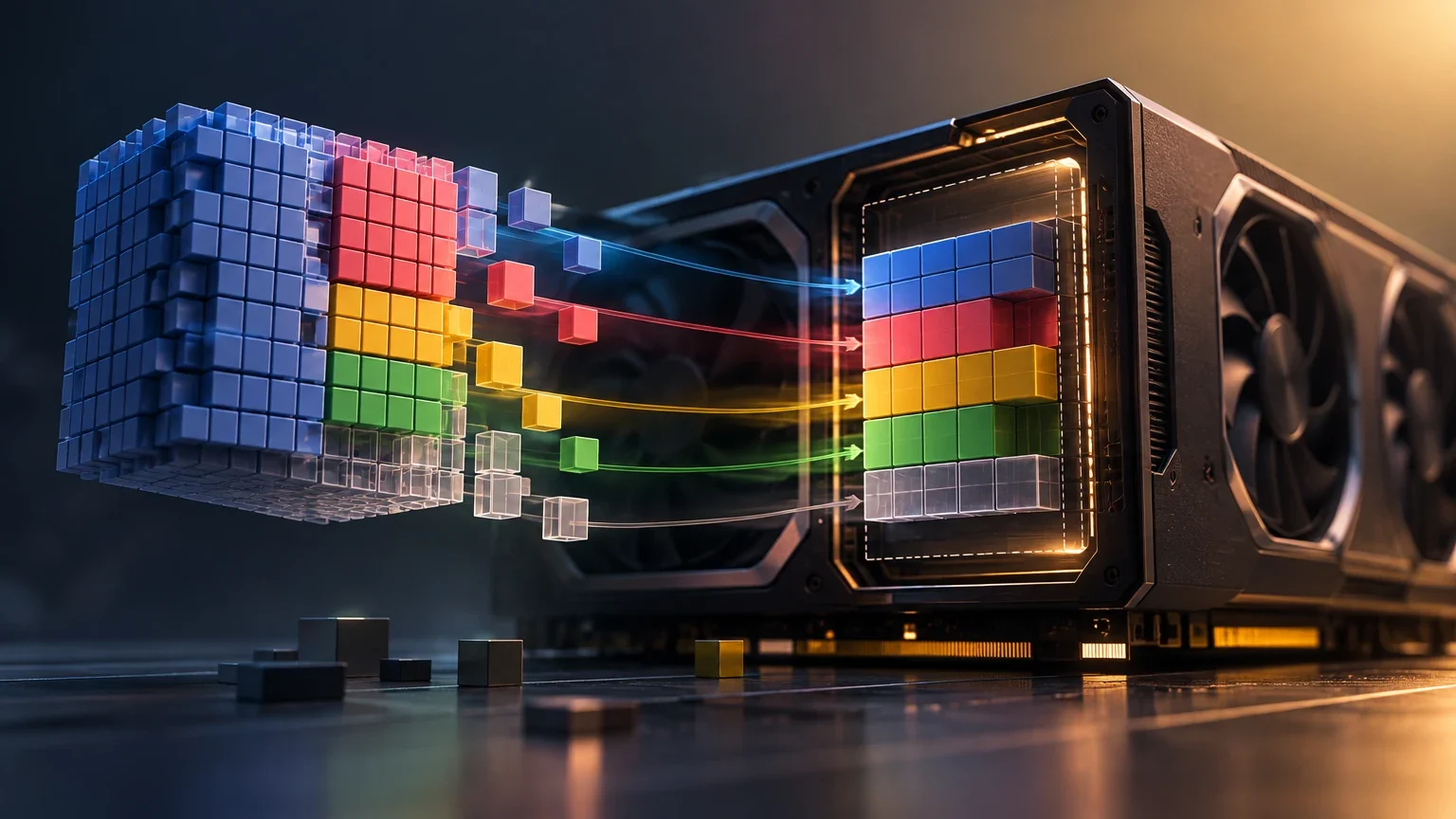
A model’s file size alone cannot tell you whether it will run on a GPU. Learn to account for weights, KV cache, buffers, and headroom, then test your planned configuration on the specific runtime and hardware.
Microsoft brings research, model development, Copilot products, and distribution through Foundry together under one AI offering, but public sources do not make it possible to assign every internal responsibility. This guide separates what Microsoft announced from what it documented, and explains what to check for each model and access channel.
A comparison of three models on tasks based on Adult, COMPAS, and Credit reports that reasoning resolved some counterfactual flips but created others more often. The result does not show that all models or uses produce the same effect.
The preprint introduces an evolutionary search method that modifies existing evaluation cases. Across three benchmarks and three Qwen3.5 model scales, its authors report an average accuracy reduction of 22.7%, though the abstract does not provide enough detail to audit the calculation or determine how closely the generated cases represent real-world situations.
A WER score alone does not describe a transcription system’s overall performance. We examine what can be verified about Scribe v2, how the corpus, normalization, and configuration affect results, and what information is needed to repeat a comparison.
An operational guide to determining whether an organisation must conduct the assessment under Article 27 of the AI Act and turning risks, measures and responsibilities into decisions made before deployment.
There are no results from a controlled comparison here that would support declaring a winner. What we can offer is a reproducible protocol for measuring patch quality, regressions, cost, and time under shared conditions—and for deciding what evidence a team needs before choosing.
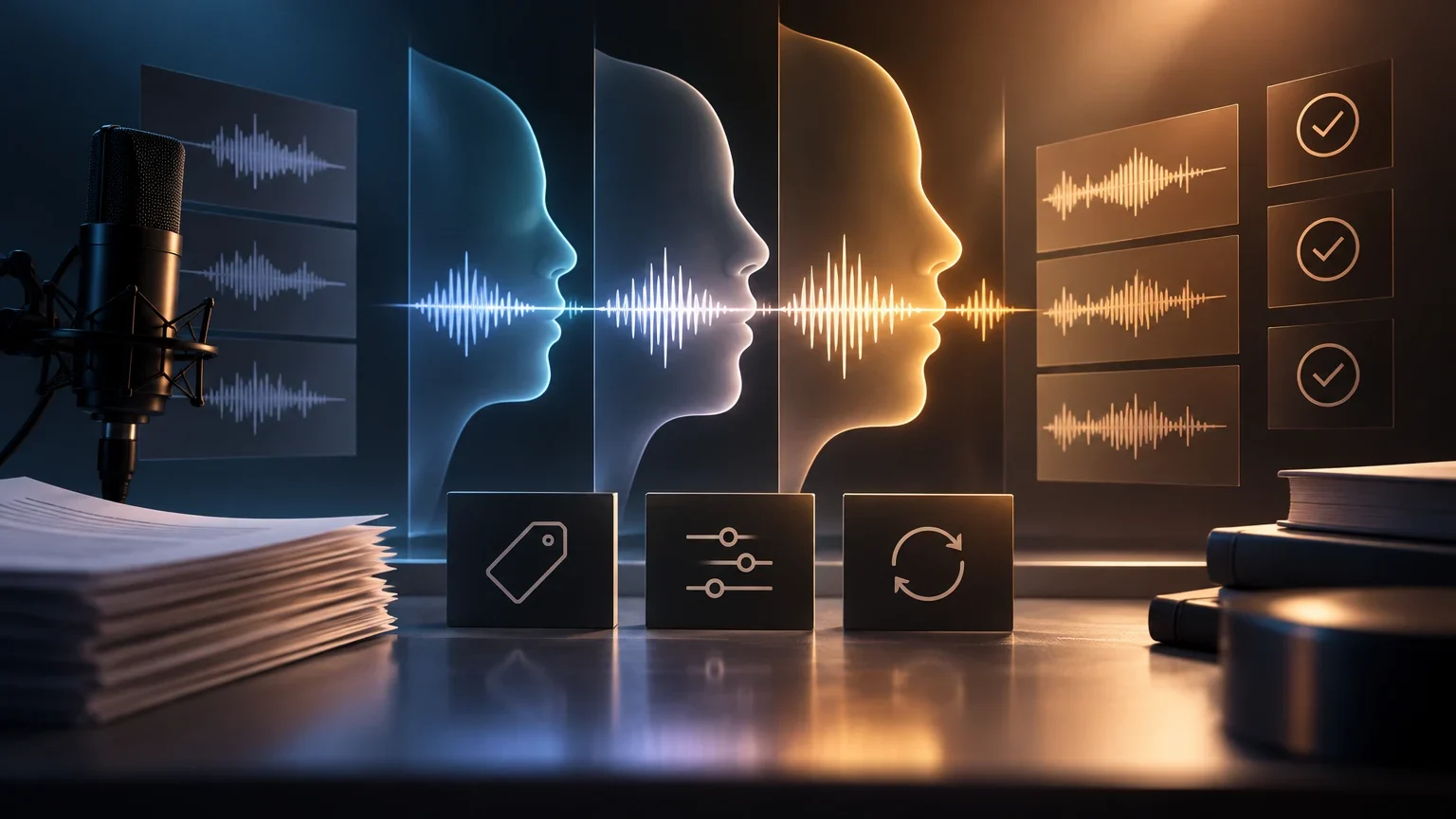
A protocol for checking, with controlled voices and scripts, whether a delivery cue changes an interpretation without harming text fidelity, vocal identity, or repeatability. The available documentation is not sufficient to confirm the specific Eleven v3 tags here, so the first step is to verify what the access method being tested supports.
A template for estimating tool-workflow costs by round, separating input and output tokens from additional charges, and checking the calculation against usage logs.