A news report describes a subpoena related to cybersecurity incidents involving AI agents. The available material does not confirm the Hugging Face episode, the extent of any access, or whether data was extracted or damage occurred.
Two publications describe Microsoft speech transcription and speech synthesis models. The supplied documentation confirms some relevant context, but does not independently verify the reported latency figures or the scope of support for 23 languages.
The paper says it can reduce backdoor attack success without retraining the suspect parameters and, according to its abstract, without relying on known triggers or clean references. The experimental details available here are not sufficient to independently verify those claims.
An analysis of 22 benchmarks distinguishes the reliability of comparing deployed systems from that of attributing differences to their underlying models. Its findings suggest that adding tasks does not resolve every kind of uncertainty.
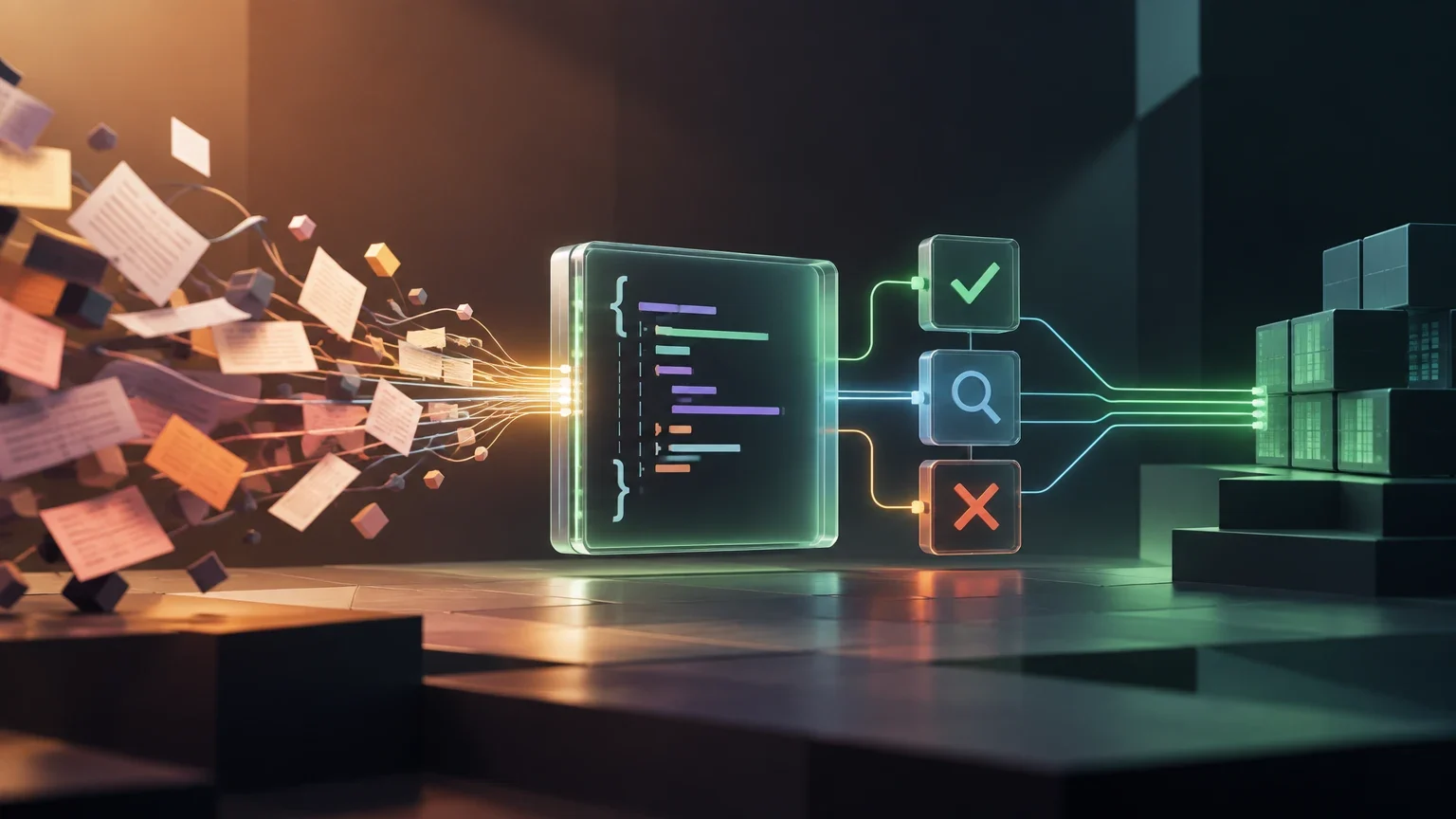
A practical guide to turning model responses into data an application can check and consume. Learn to define a contract, validate format and meaning separately, handle failures, and test edge cases before deployment.
An operational guide to managing additions, changes, and removals in a RAG corpus, recording document provenance, and checking that updates are reflected in search.
Google describes Gemini 3.8 Live as a model for real-time dialogue, but the available sources do not confirm a price, quantitative results, or complete access conditions. This guide separates the provider’s claims from what a team should verify in its own integration.
Google describes Gemini 3.8 Live Extended Thinking as an audio-to-audio model for the Live API, recommended when more background reasoning is needed. The available documentation does not, by itself, show that this reduces errors or improves latency. Those questions require testing with controlled tasks and conditions.
ElevenLabs presents v4 Turbo as a low-latency variant and publishes median inference latency of around 100 ms. That figure is not the response time of a complete agent: measurement details, access conditions, applicable pricing, and model-specific security evidence are still missing.
The available sources point to provider evaluations, a system card, and an independent study of IDE agents, but they do not provide enough detail to treat them as a single ranking. This guide separates what is documented from what still needs to be verified.
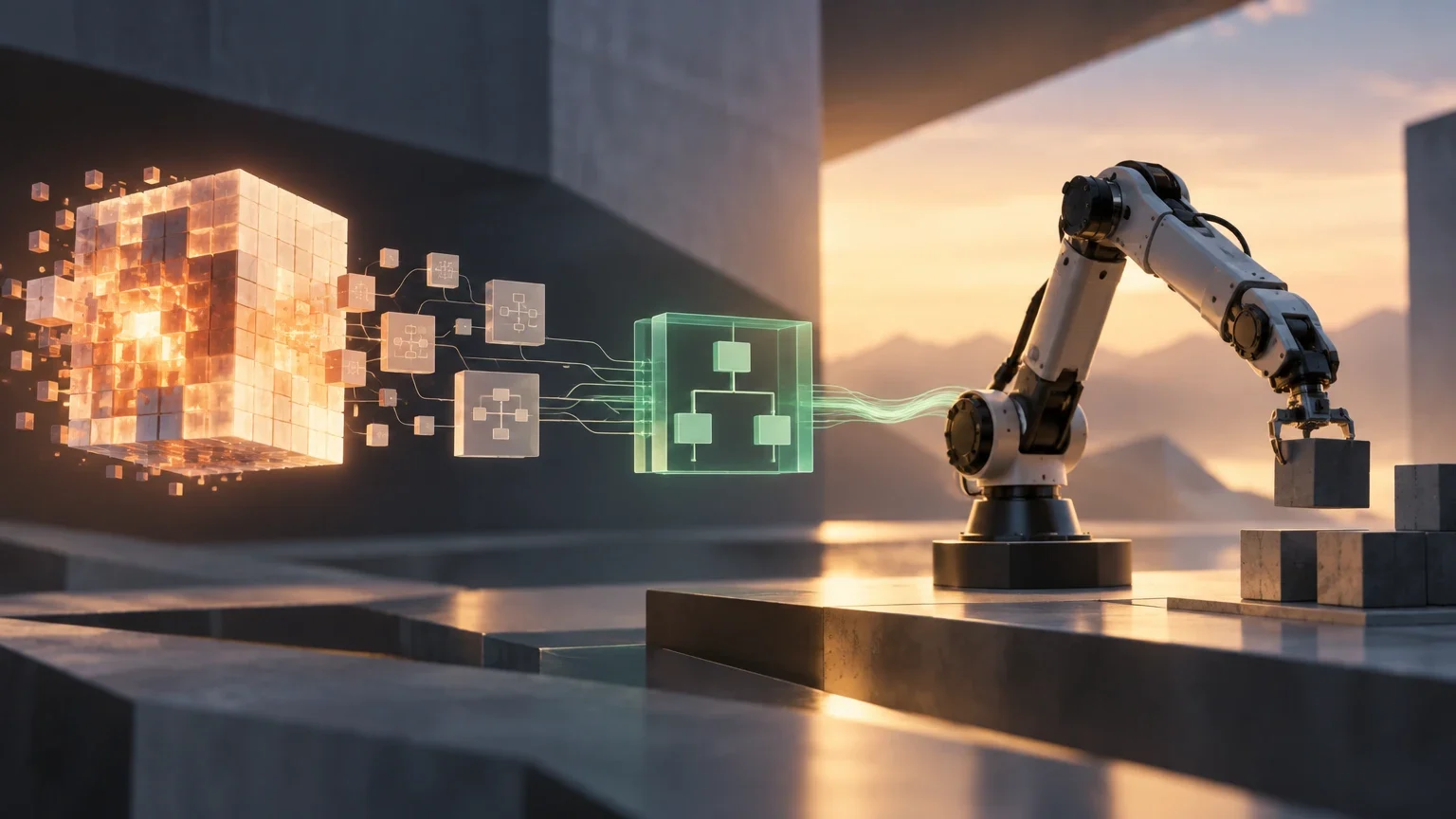
Code to Control separates the generation of a controller’s structure from the tuning of its parameters. The preprint says that, once learned, the controller can act without LLM inference or planning at every step; the available evidence is not enough to assess the figures, reproducibility, or readiness for real-world robots.
ElevenLabs describes Eleven v4 as its most expressive text-to-speech model, with greater control over voice performance. That characterization comes from the provider: by itself, it neither quantifies quality nor demonstrates consistent results. Here is what the available sources support—and what a team would still need to verify.